RSS

Book review – Joe Walters – “The Truth About Book Reviews”

Book review – Joe Walters – “The Truth About Book Reviews”

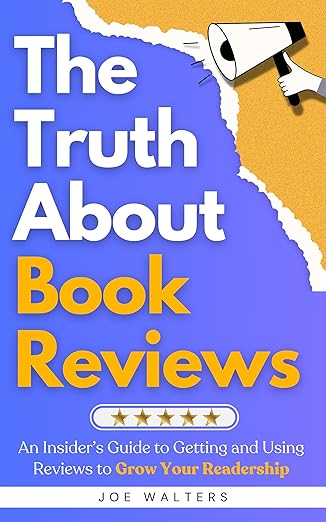
Over on my book review blog today, you can read my review of this book industry read, “The Truth About Book Reviews”:

In an easy to read and chatty style, Walters takes indie authors and those publishing through small presses through the stages of obtaining book reviews in three categories (blurbs/editorial reviews, media and trade reviews, and customer reviews, the second incorporating book blogs like mine, the third being Amazon, Goodreads, etc.). He includes timelines, plans, why and how you can obtain book reviews (including submissions to sites and services both free and paid, with explanations of the advantages of both) and what to do with them when you get them …

(read more)

 
Leave a comment

Posted by on November 29, 2025 in Business, Writing


Tags: ,

A book for fiction writers – Elizabeth M. Hurst – “The Wordsmith’s Guide to Planning the Perfect Plot”

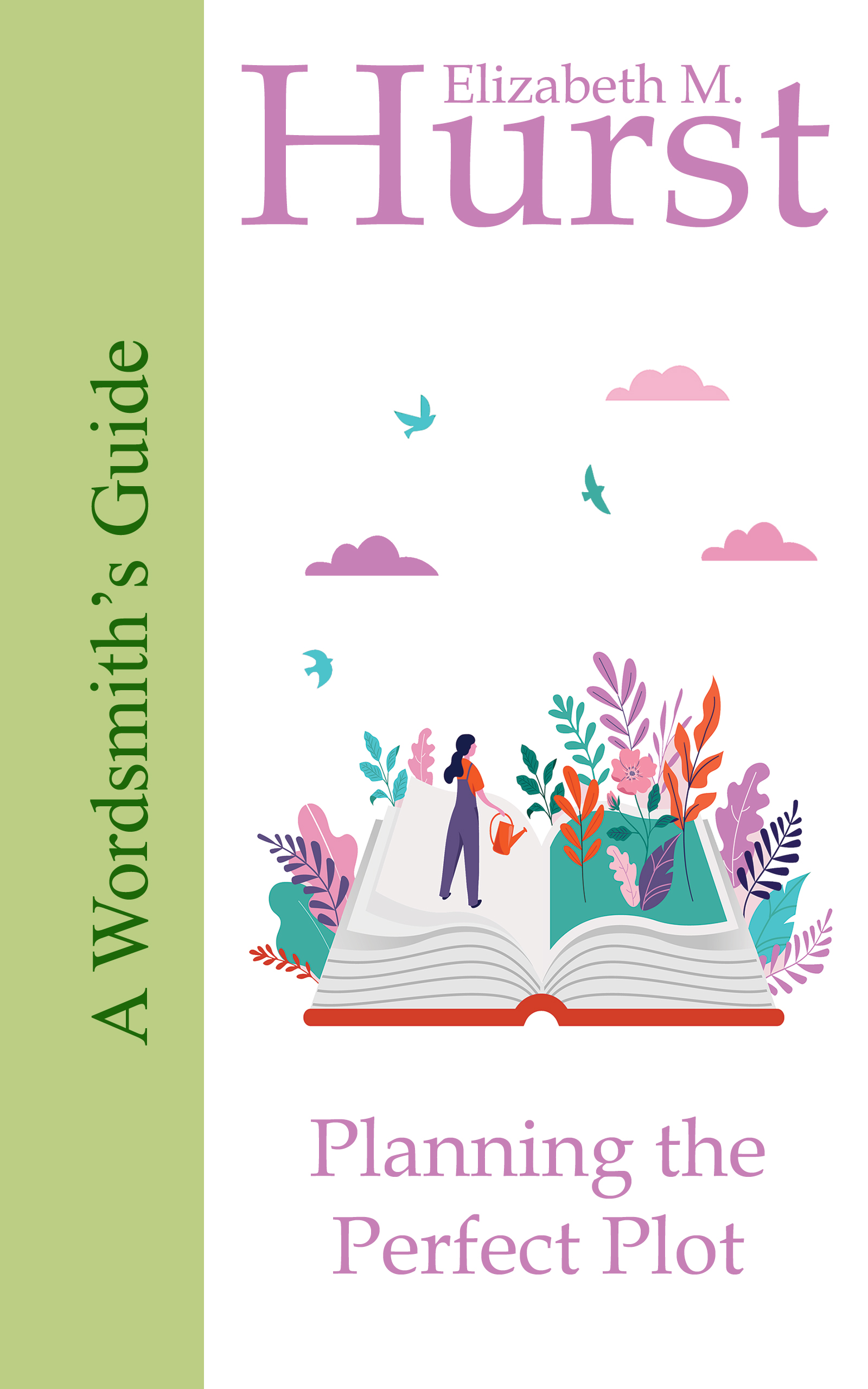
Over on my book review blog today I’ve reviewed this book, which is a great choice for any fiction writers who are keen to find out new ways to do plotting and planning. While I myself only edit nonfiction these days, I know a lot of fiction writers find this website, so this one’s for you! Read all about it here (with thanks to Elizabeth M. Hurst and Rachel’s Random Resources)

 
Leave a comment

Posted by on October 18, 2025 in Writing


Tags: , ,

Editing resource review – QuickStyle Customizable Editorial Style Sheet

Editing resource review – QuickStyle Customizable Editorial Style Sheet

As an editor and proof-reader of many years standing, I use style sheets as a matter of course (if you’re not an editor or you’re new to the business, you can refresh your memory on using a style sheet for proofreaders and editors and for writers). I have a very simple template which I use as a basic style sheet for, say, self-publishers who haven’t created one of their own, or I use a journal, publisher or university’s one. What I didn’t realise I needed until Hazel Bird of Wordstitch Editorial (coincidentally the same age as my own business) got in touch was a customisable style sheet that I can tweak to any requirements I wish!

What did I receive?

I received a copy of the style sheet in read-only format (to keep, and save-as to create my own customised versions) and a very useful PDF guide. I work on a PC but the download included the Mac versions, too. It comes in a .zip file so it’s not too big to send and receive.

What does it look like and what does it do?

When you open the Word template document, you can immediately see that you can add your own business name and logo, making it entirely yours:

Screenshot of the top of the style sheet showing where you can add your logo and details

Obviously, you can add your branding then save a copy that’s “yours”. The bit of text at the top is spot-on already, but you can amend that, too.

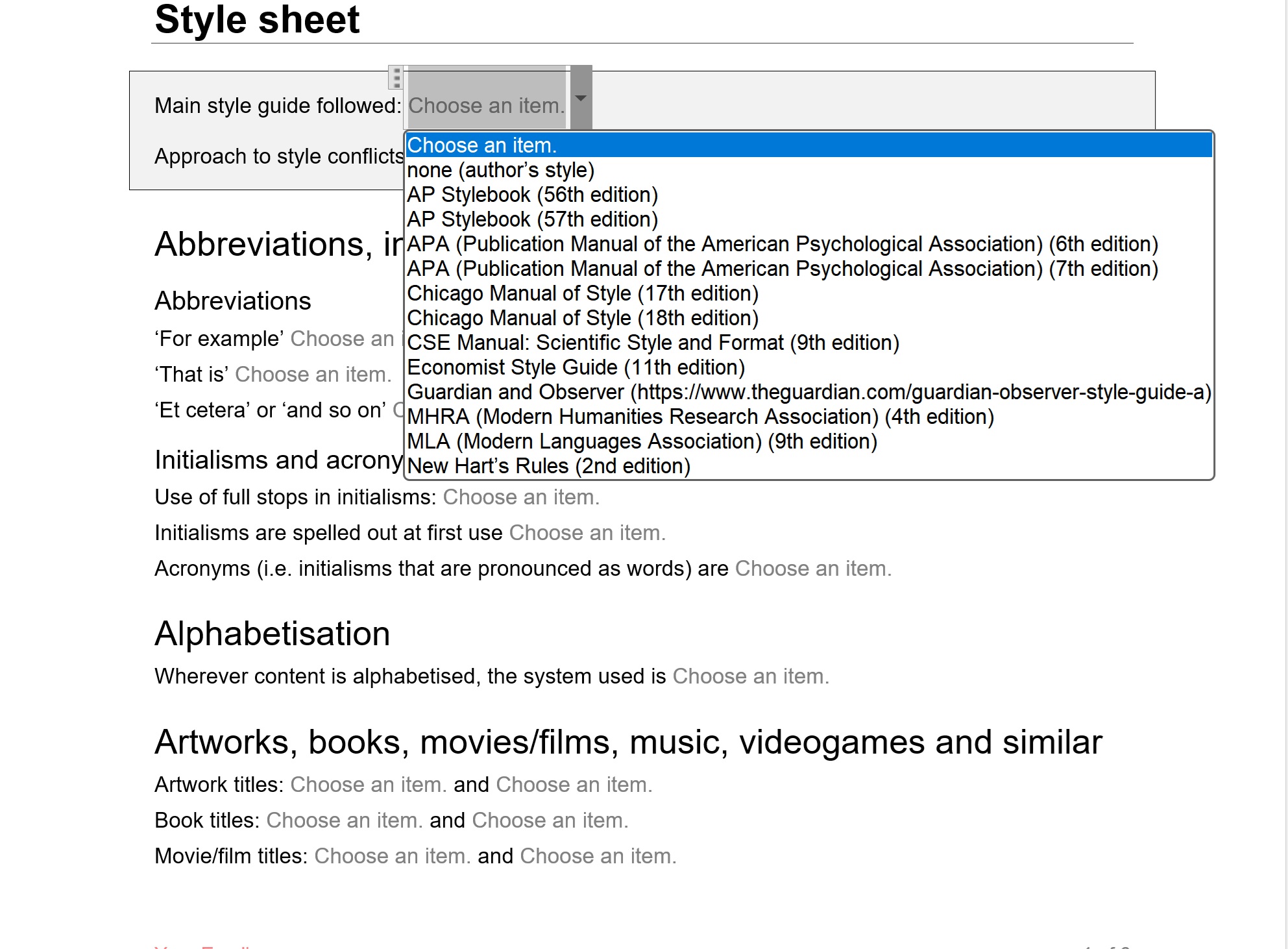
Then we get to the nuts and bolts: first of all, you can state the style guide you’re being led by:

Screenshot showing how you can choose a style guide to follow

It’s worth noting here that there is even an “Approach to style conflicts” box so you can record whether the chosen style guide is the law set in stone or whether the client’s different uses trump the style guide.

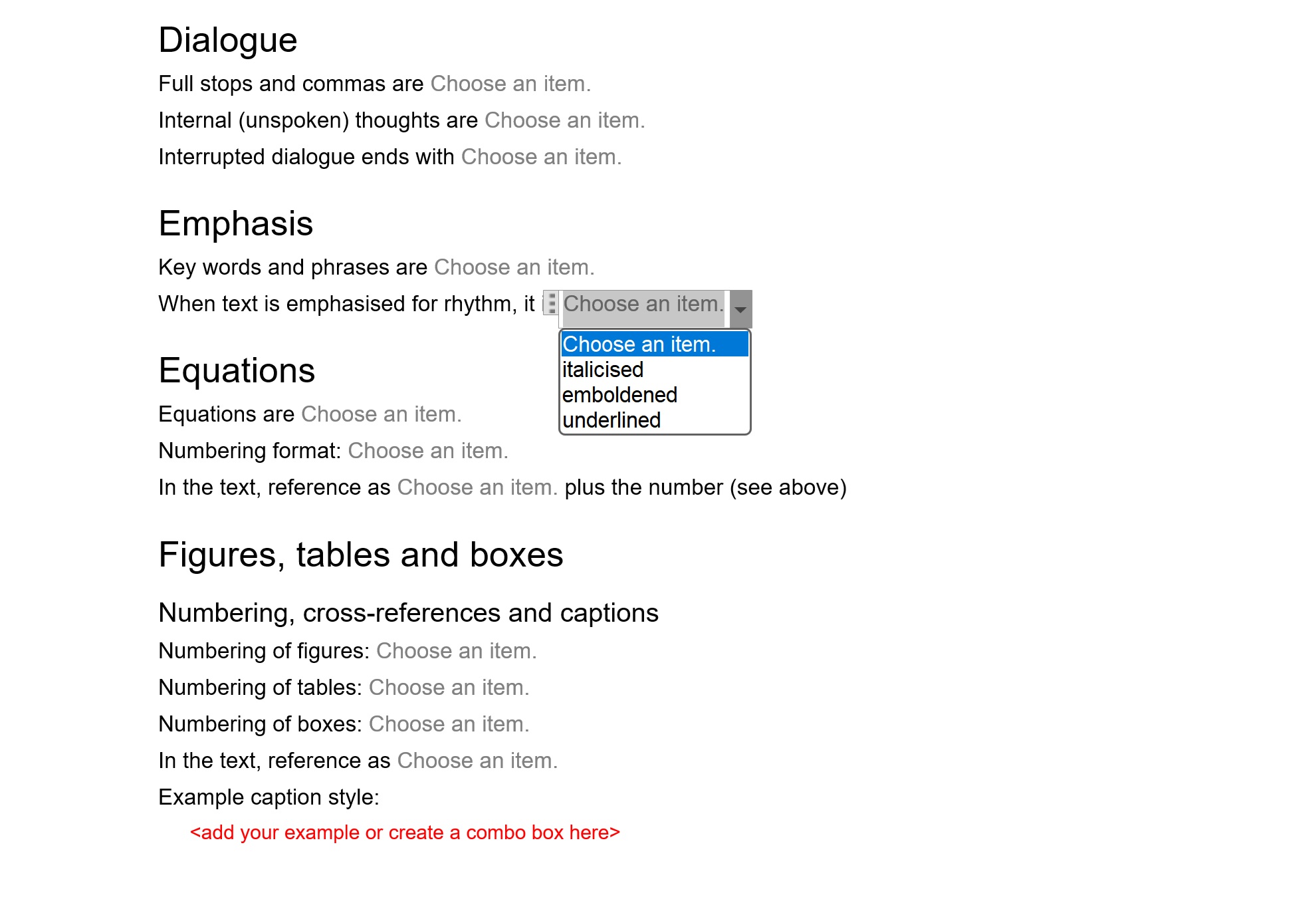
The template then goes on, in alphabetical order, to let you choose the options for everything from abbreviations onwards.

Examples of areas you might define rules for with one drop-down open

There are so many choices, which is great: I couldn’t find anything missing and you can always add any special ones to the list.

What about help?

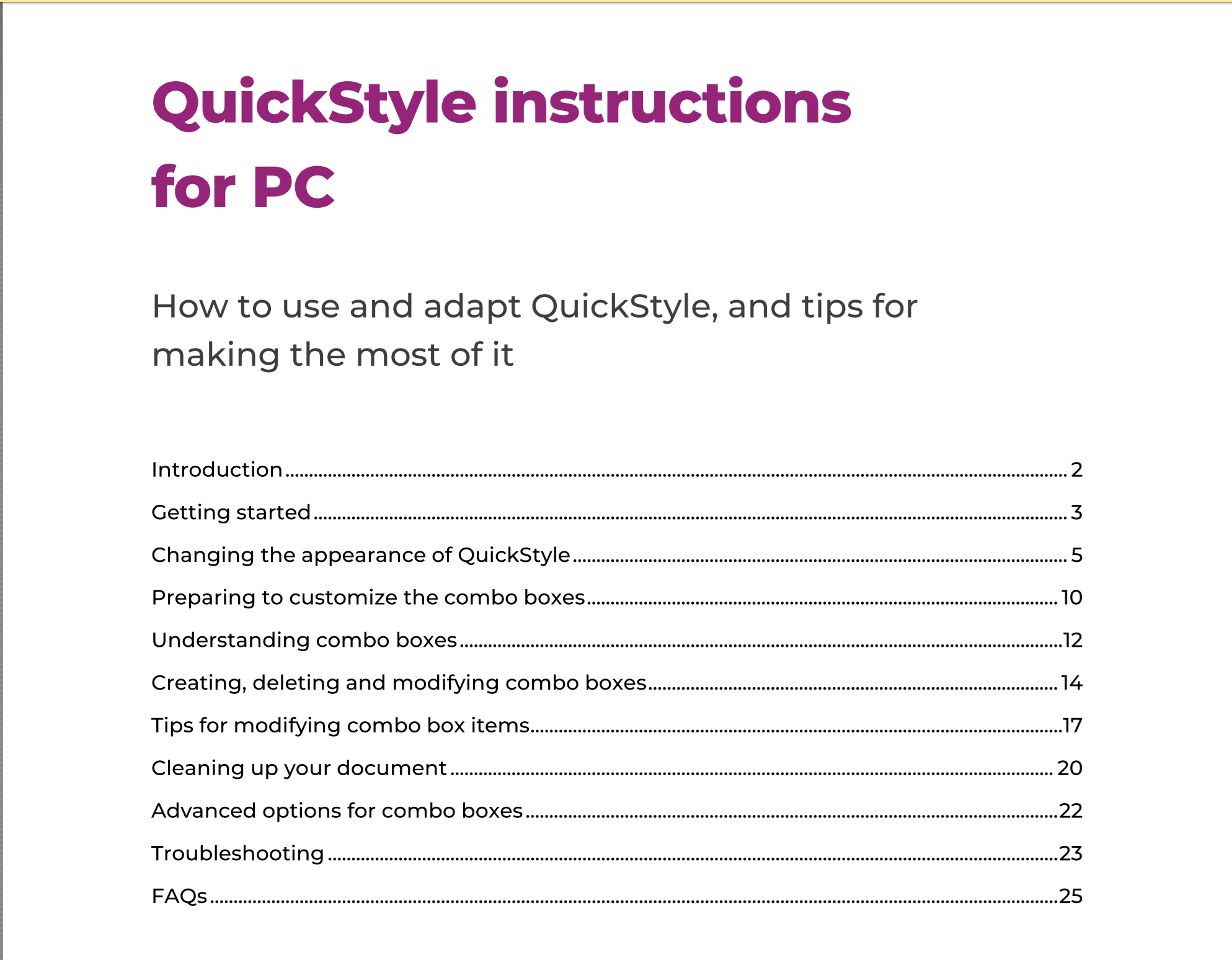
The style sheet comes with a very useful manual in PDF which covers everything you need to know, written clearly and helpfully:

Menu for the PC manual

And I can lock the style sheet down so my client can’t alter it, right?

This was my main question: can I remove the choices so my client just sees what I’ve chosen for them (or my writers and editors if I’m a journal or book publisher). And the answer, of course is yes: you can create a standard-looking style guide your client can’t amend by mistake or on purpose!

Who is QuickStyle Editorial Style Sheet useful for?

  • Editors and proof-readers will find it invaluable
    • There is a LOT of information on the full template, however it’s easy to delete sections, so if you want to keep it simple, you can just keep to various basics, but if you need all the detail, it’s all there for you.
  • Writers who are producing more than one book and want to keep their style consistent could use it and pass it on to their editor and/or proof-reader
  • Journal editors and publishers can use it to provide guidance to their writers, editors and proof-readers

How do I buy QuickStyle Customizable Editorial Style Sheet?

You can download the style sheet from Hazel’s website here. She has provided the following information about contents and prices:

  • It’s available for PC and Mac (both versions will be included in all purchases, so users have access to whichever is relevant to them).
  • The price will be £45 inclusive of any applicable taxes.
  • There will be a 15% early-bird discount on all purchases at launch (13 August) until Friday 12 September.

Thank you to Hazel Bird for providing a review copy of QuickStyle Customizable Editorial Style Sheet in return for an honest review. It’s launch day today, 13 August 2025, and I do recommend it.


Tags: , ,

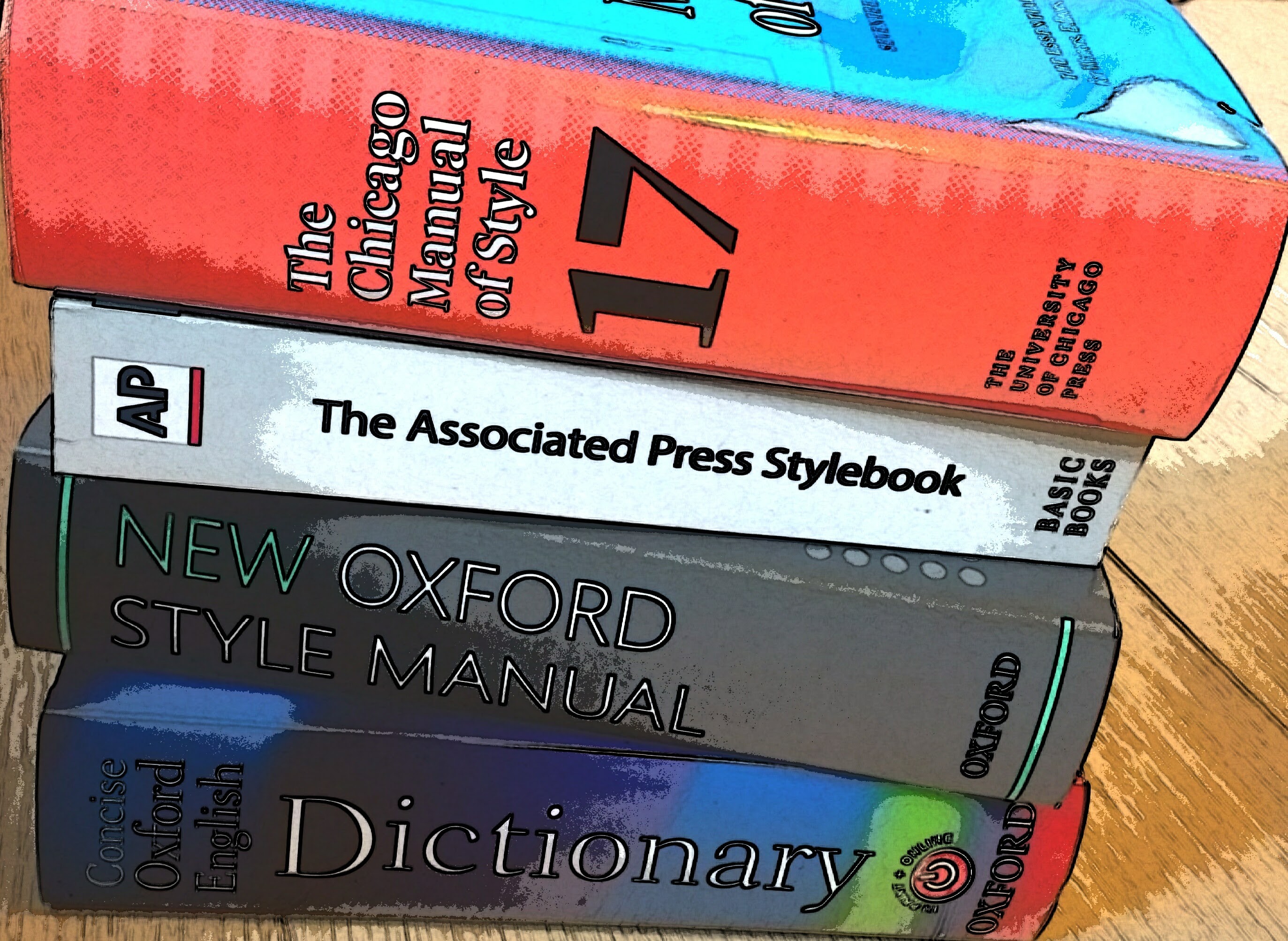
Can I still access Chicago Manual of Style 17th edition online?

Can I still access Chicago Manual of Style 17th edition online?

Writing in June 2025, I’m in the slightly odd position of having two editing jobs to hand that require Chicago Manual of Style 17th edition (CMOS 17), even though CMOS 18 has been out for almost a year (published in September 2024). I have an online subscription to CMOS 17 and, fortunately, I thought, print copies of both books.

I was busy leafing through my CMOS 17 while editing, reminding myself of the two major changes between the two that affect me here (CMOS 18 drops the requirement for a place of publication in the bibliography, and three or more authors (not four or more) are represented by first-author, et al.)

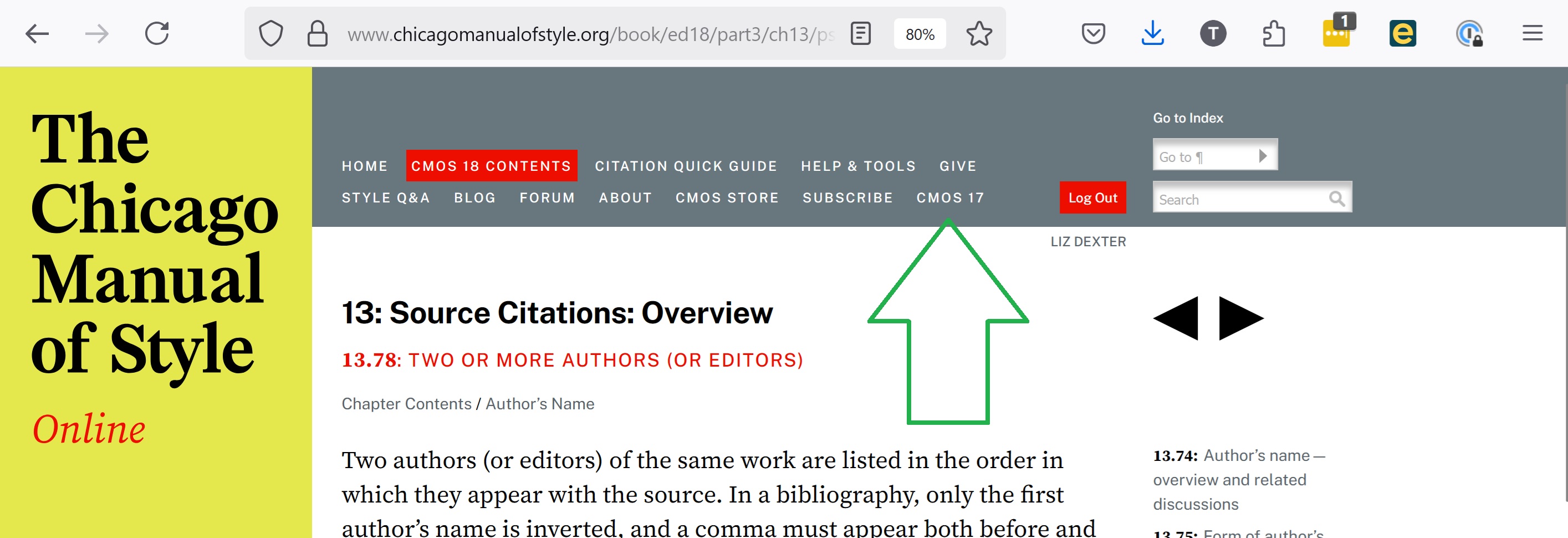
But look:

When you are in CMOS 18 online, there is a menu option for CMOS 17, and you can flip into that (or open it in a new tab), and it’s fully searchable, just like CMOS 18 online.

And I’ve written this both to remind myself and to let anyone else know who hadn’t realise. Thank you, Chicago Manual of Style people!

This post has shared that you can still access Chicago Manual of Style 17th edition online, even though the 18th edition is now the current one.

 
1 Comment

Posted by on June 28, 2025 in Copyediting, Reference materials


Tags:

Help – my Word Navigation Panel font has gone tiny

Help – my Word Navigation Panel font has gone tiny

You’re using Microsoft Word and suddenly the font size in your Navigation Pane has gone tiny. Here’s what to do.

Funnily enough, a similar situation inspired my very first post on this blog – What to do if your comment boxes go tiny in Word. Now we have the same situation with the Navigation Pane and its text becoming very small.

What is the navigation pane?

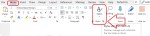
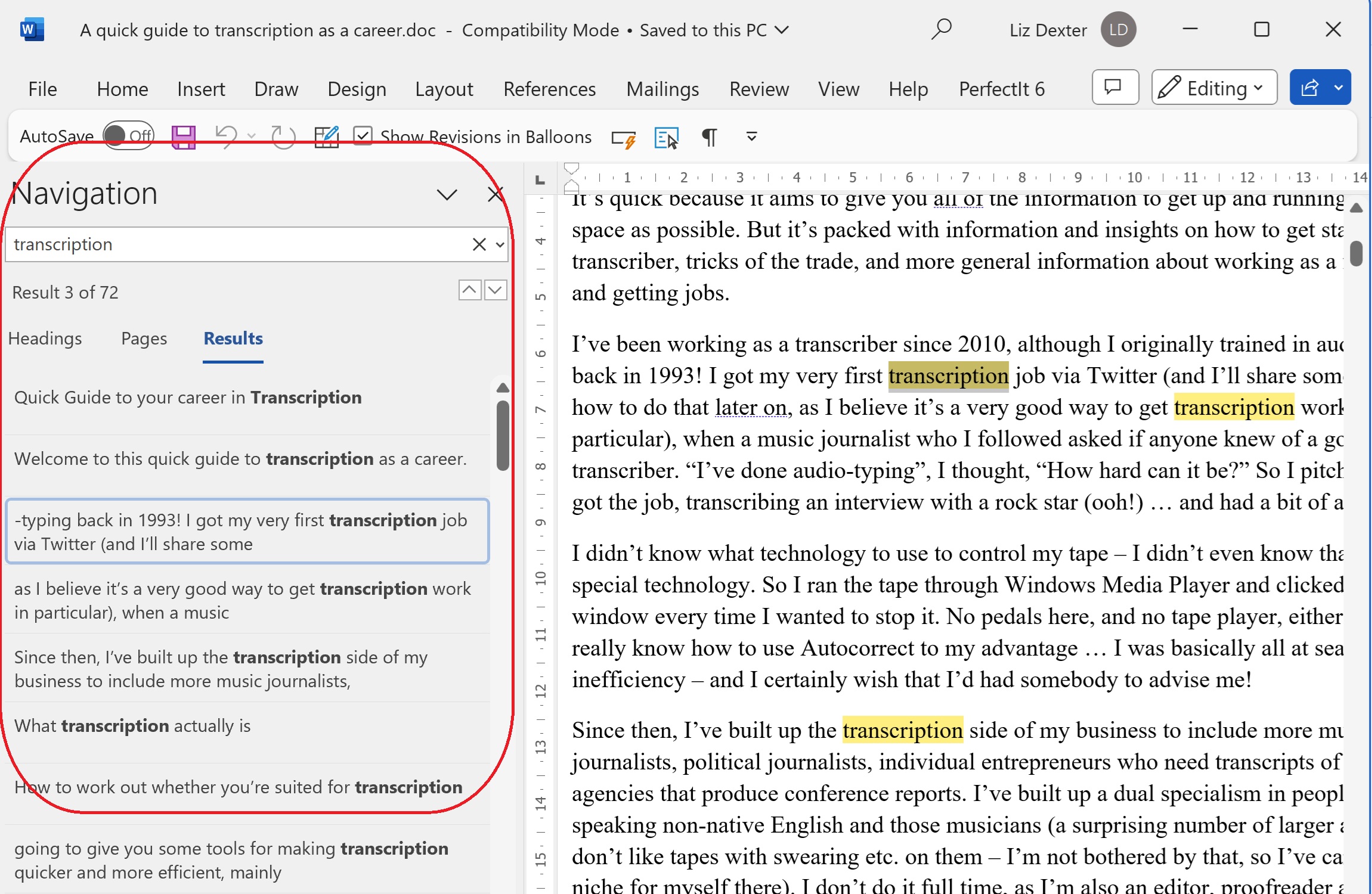
The navigation pane (or document map) is that area to the left (usually) of your Word document which gives you the option to view the headings and layout of your document, the pages, or search results for a term you’ve looked up. It normally looks like this:

but the problem arises when, often for no reason, sometimes when you’ve got a new monitor with a higher resolution, suddenly all the text in that Navigation Pane area is in a tiny font size. How do you change that font size? The answer lies in the Styles.

How to find the Styles menu

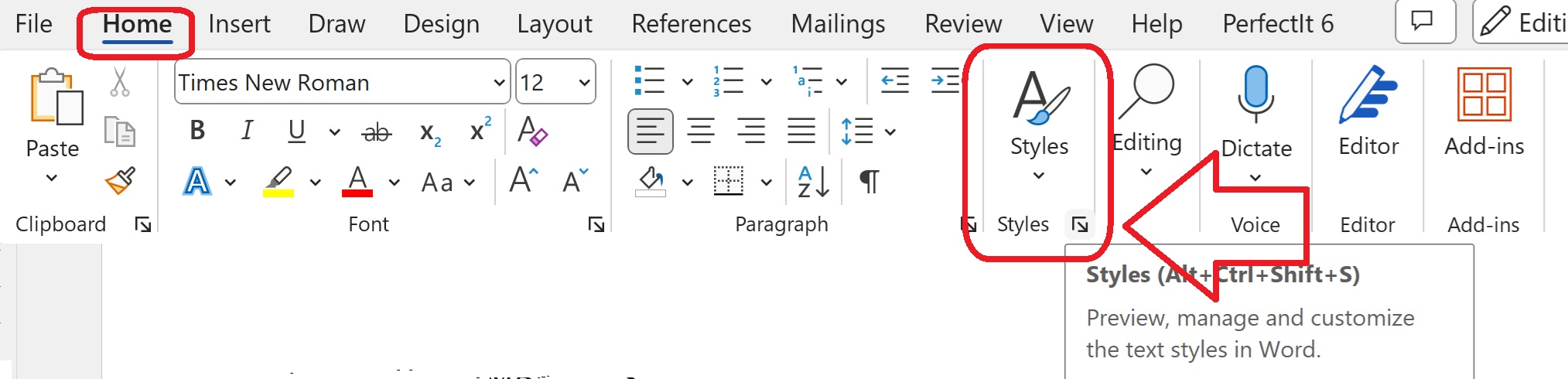
The Styles menu is in the Home tab. You might need to widen out your Word window to find it.

Once you’ve found Styles, click on the little arrow at the bottom right.

How to see all the styles, not just some

By default, Word will show you the styles it thinks you might need. Of course the one you want is never in the list. To see All the styles and edit the one you want …

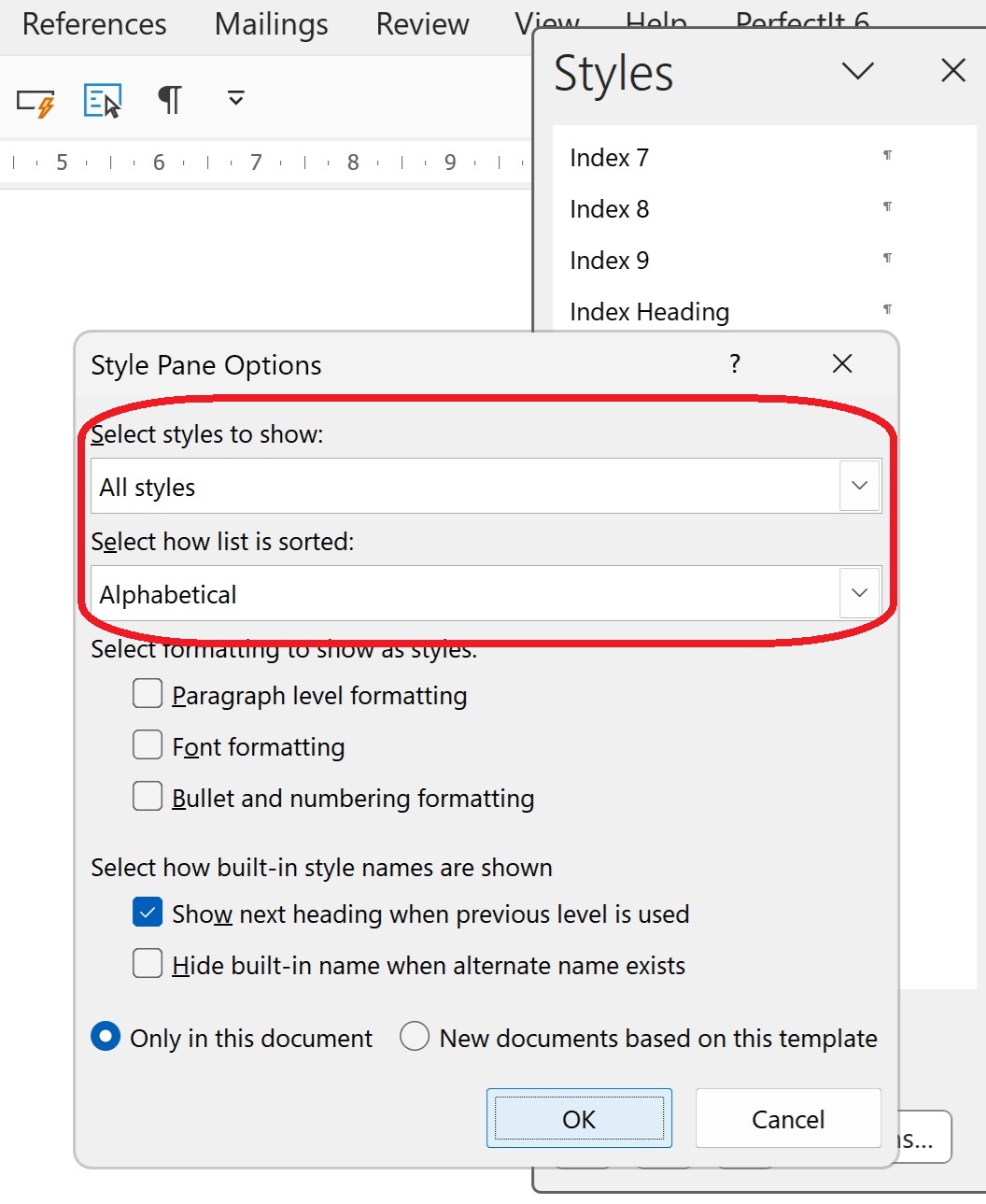
Click on “Options” at the bottom of the window.

Then change the drop downs to “Select styles to show”: All styles and “Select how list is sorted”: Alphabetical.

Then click OK.

How to change the Navigation Pane style using Document Map

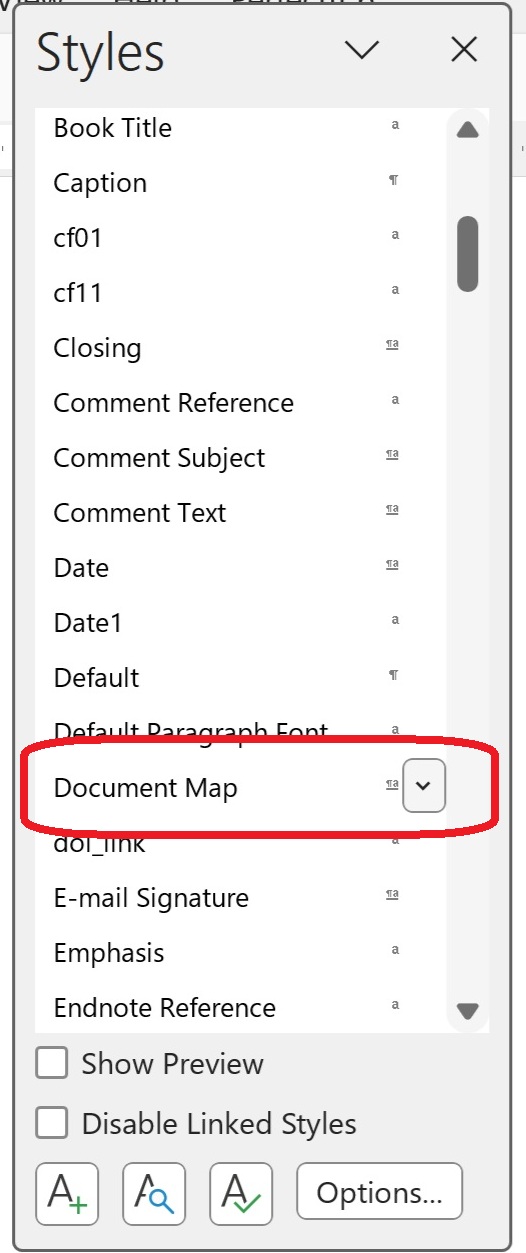
The style that controls the Navigation Pane is called “Document Map”. I can only assume that it was once ONLY the document map, as that is still included in the Navigation Pane. Scroll down to find it …

… and click on the little arrow to the right-hand side.

How to modify the Document Map / Navigation Pane style

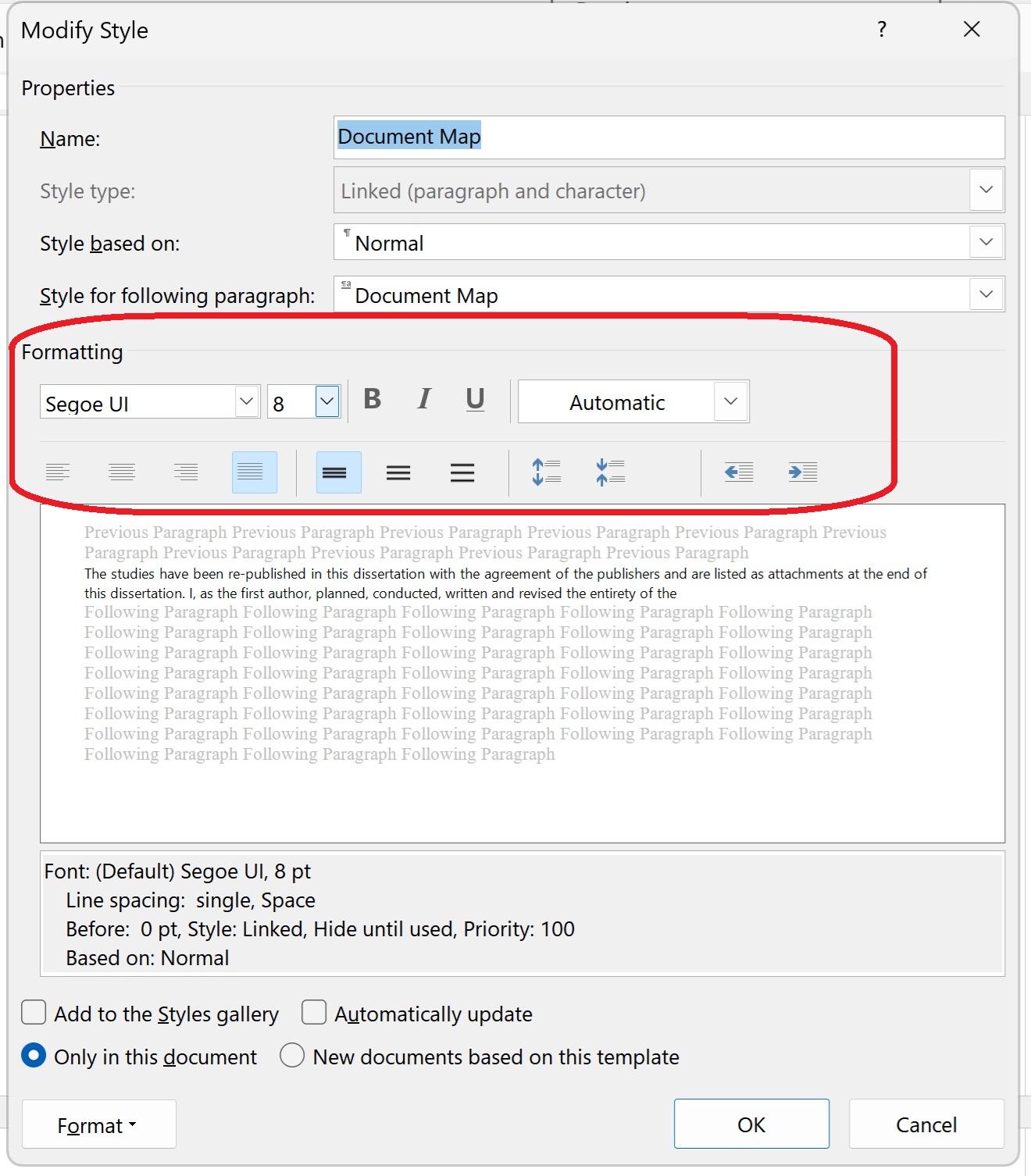
Click on “Modify” so you can change the font size of the Navigation Pane.

Now the Modify Style window will appear. Here you can see the style is set to be an odd-named font with a very small font size. Here you can just change the font and size to whatever you want:

Once you’ve changed the font, and decided whether you want to add this style to the gallery (hopefully not, as you’ll never need to change it again!) and whether you only want this change for this document or all new documents based on the same template (not so useful if you only work on documents originating with other people), press “OK”.

Does this fix always work?

You may need to close and re-open your document to see the font size in the Navigation Pane change to one you can read. And it might not work, especially if you’re working with a corrupted document that has been through a lot of versions. But it should do.

Summary

In this post we have learned what to do if your Navigation Pane font size in Word suddenly becomes tiny (or, indeed, enormous)

Please note that these tips are primarily for Word 2010 and onwards, including Microsoft Office Subscription for PC. Most of them will work for Word for Mac, although you may find some menus in different places and I can’t guarantee it. This is part of my series on how to avoid time-consuming “short cuts” and use Word in the right way to maximise your time and improve the look of your documents. Find all the short cuts here

Do let me know if this has helped you, saved your document, etc. – and do share with the buttons at the bottom of this article.

Related articles

How do I view my Navigation Pane?

How do I move text and headings using the Navigation Pane?

 
8 Comments

Posted by on May 16, 2025 in Copyediting, Errors, Short cuts, Word


Tags: ,

Book review – Vivek Kumar (ed.) – “Discover the Editor in You”

My editing colleague Vivek Kumar shared last year that on behalf of the Indian Copyeditors Forum, he had curated a volume designed for the new editor or person considering a career in editing, so of course I rushed to buy it, and then of course it’s been over a year until I’ve got it read (but this is also fortuitous: see below).

In that time, I have to say, the development of Artificial Intelligence has leapt forward and I do worry that many of the processes of our profession are going to disappear as human processes, but for the time being you can get a good grounding in the career from this book.

Incidentally, talking about careers, I am publishing this review on the 15th anniversary of my issuing my first invoice, the basic start of my copyediting, proofreading and (slightly later) transcribing career!

Vivek Kumar (ed.) – “Discover the Editor in You: Copyediting as a Career”

(27 July 2023)

This is a great resource for new-career editors or those considering a career in the profession – or, indeed, in related professions.

In shortish articles written by a great collection of editing colleagues from India, the US and the UK, professional editors (etc.) share their lessons and recommendations, covering the skills and mind-set needed, gaining training and credentials and the nuts and bolts of editing in different niches (academic, school textbooks, fiction, newspapers and magazines and technical documents).

The Techniques and Craft section digs deep into clear writing, style guides, querying authors and fact-checking, and a fourth section on Allied Services gives a good flavour of the associated careers of proofreading, alt-text writing and indexing. Appendices offer a list of courses and a useful glossary.

There is some India-centricity, as befits a book written by the Indian Copyeditors Forum, but also has an international reach, covering associations, practices and training across the world.

A really good resource that I’m sure will help many develop the skills and confidence to work in this field professionally.


Tags: , ,

Why should editors be thinking about and using conscious language? [shared post]

Why should editors be thinking about and using conscious language? [shared post]

Today I’m sharing what is the best explanation I’ve seen of the need for editors to be aware of conscious language. I’m a non-fiction editor and Louise Harnby edits fiction but the principles remain the same.

In her article, Louise Harnby covers:

  • What is ‘conscious language’?
  • ‘But I’m not part of the “woke” brigade’
  • The foundations of editing
  • Are you part of the professional editing brigade?
  • Why conscious language is also about successful authoring
  • Why conscious language is about consideration rather than prescription
  • A case study
  • Helping our clients
  • Tools that help with conscious language

Read the rest of the article here.

This is such an important topic. I’ve been using “singular they” for a long time, and other aspects I’ve covered in my editing include not gendering people when they’re mentioned as examples in texts, working to eliminate terms in networking which are now outdated and pejorative and suggesting different terms for ones which are now considered pejorative in an ablist context.

As Louise mentions, as professional editors, we’re aiming to help our authors reach as wide an audience as possible, and if they risk alienating portions of that audience through the use of language that can be avoided, it’s our job to help them not do so.


Tags: , ,

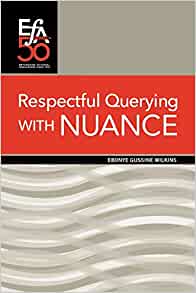
Book review – Ebonye Gussine Wilkins – “Respectful Querying with NUANCE”

Book review – Ebonye Gussine Wilkins – “Respectful Querying with NUANCE”

This book is published by the Editorial Freelancers Association, who are based in America, and I ordered it direct from them. My attention had been drawn to it by a couple of fellow-editors and I thought it would be useful to read and then share about here.

What it says on the back of the book

The blurb on the back summarises the book perfectly:

Editors working with writers of color or marginalized writers have dictated editorial changes that have misrepresented the writers’ voices for far too long. Writers receiving assistance from editors who don’t share their cultural backgrounds or experiences often don’t get the appropriate editorial support because of misunderstandings. Respectful Querying with NUANCE offers a framework that allows editors to continue to provide the necessary guidance while still respecting the author’s voice and encouraging the author to make the manuscript’s final editorial decisions.

Ebonye Gussine Wilkins herself is “a social justice writer, editor, and media activist shaping media through the lens of inclusion” (p. 29) and as such is ideally placed to guide other editors through this process.

What you get in the book

The introduction sets out the author’s stall as someone who is not a gatekeeper or rule-imposer but just wants to “help the writer put forth the best version of their manuscript” (p. v). She moves on to talk about how writers of colour or writers from marginalised communities outnumber editors of colour and from marginalised communities, so there are likely to be occasions when there’s a mismatch between the cultures of the writer and the editor. The editor in this case needs to be extra careful to let the author’s voice shine through and to not seek to suppress evidence of the author’s culture or background in their editing work – especially through their queries.

A query is where the editor puts a comment in the text because they’re not sure what the author intended to put across or needs to make a suggestion. For example, I have used queries recently to check what word someone intended to use when I suspected their voice-to-text software had inserted something a bit odd and, in a sort of backwards version of what this book is talking about, to suggest an author used singular they instead of he/she to avoid gender binary issues in the text. What Wilkins wants editors to do, entirely appropriately, is to take special care when doing this to pay attention to the author’s culture, and not to, for example, smooth out specific cultural terms into more ‘mainstream’ ones they might know and accept more readily themselves, certainly not without thinking about it. The main thing is to empower the author to make decisions on what’s in their own text, and to make sure that the editor’s culture, especially if it’s the dominant culture in the society in which they’re working, doesn’t dominate the author’s own voice.

Wilkins offers a handy framework to do this, based around NUANCE (Notice – Underscore – Accept – Narrow – Consult – Empower). I won’t go into all the details because then I’ll just be parroting the book. If you’re an established editor used to working supportively with writers of different groups to your own, you will probably do this intuitively. If you’re a new editor, or someone who’s feeling a bit challenged by working with someone’s manuscript that is different from your own more commonly held experiences, you’ll find this framework very useful.

My thoughts

I think this is a really good resource, especially for new editors or those needing to come to terms with working with texts that approach issues from or are written from other than their own cultural or personal characteristics. I’ve worked with all sorts of authors for years, and it encouraged and reassured me that I’m on the right tracks with the way I work with clients who are different to me in their backgrounds and lived experiences. The worked examples were useful, and the emphasis on looking things up and checking them with other external sources before assuming they’re incorrect was written in a way that was useful and supportive to the editor. In addition, with more lists and directories available of editors with different cultures and characteristics, I would – and have – directed authors who come to me with very specifically culturally rooted texts to approach an ‘own voices’ editor to work with them, something which may well be more comfortable for both, if they choose to. If they choose to work with me, I’m more confident after reading this short book that I will be able to support and empower them, working with them to make their text represent them and their thoughts as well as it can.


Tags:

Gendered language and language change

Today I’m sharing an excellent paper, “The State of Gendered Language“, written by experienced and highly respected editor Sarah Grey.

Gendered language is language that takes account of gender and gender-related terms in a marked way, for example using “female doctor” or “male nurse” to point out ‘deviations’ from some shared ‘norm’, using the pronoun he for unnamed examples of bosses, and she for unnamed examples of secretaries, or promoting the gender binary by using he/she or his/hers when there are plenty of folk who exist along a continuum that’s not just binary.

As writers, it’s important to be inclusive – mainly for social and ethical reasons but also, why limit our audience? This article is likely to help writers understand the background of the changes they might be asked to make by editors, agents or readers.

As editors, many of us try to introduce these concepts to authors who might not have encountered them. This article gives us a great resource to back up what we’re saying with some solid and professional facts and references.

Sarah Grey’s article “The State of Gendered Language” appears on the Chartered Institute of Editors and Proofreaders’ website. Thank you to my colleague Katherine O’Moore-Klopf for drawing my attention to it.

Other related articles on this website

Medalling, podiuming and singular they

 
Leave a comment

Posted by on December 6, 2021 in Copyediting, Ethics, Language use, Writing


Tags: , ,

Automatic transcription – some real-world case studies 2: automatic closed-captioning

There has been a lot of talk lately about automatic transcription, or AI (artificial intelligence) transcription. This includes speech-to-text software and means that a transcription of your voice or recording is made automatically rather than by a human. I’ve recently experienced working with clients who use voice-to-text software and receiving an automatic closed-captioning file from a video meeting platform, and I’m taking the opportunity to share my experiences with both. Last time, I looked at features to look out for with speech-to-text software and this time I’m talking about automatic closed-captioning.

Using closed-captioning to create live subtitles and texts

A client for whom I’m transcribing focus groups (so discussion groups of several people with one facilitator) had one group that included a participant living with a hearing impairment. They turned on the closed-captioning feature in the video meeting platform they were using, so that the participant could read what the other participants were saying. As it recorded everyone’s speech in real time and then generated a text afterwards, my client sent it to me to see if I’d find it useful.

As I’ve been thinking about offering an automatic transcription editing service next to my full transcription service, I was really interested in seeing how this worked.

What does real-time closed-captioning or automatic transcription look like?

In my opinion, automatic real-time closed-captioning is not there yet in terms of generating a good, usable transcription. Here are the downfalls I noticed in the tape (you’ll notice some of these if you turn on the subtitles on the news, etc. – which are very rarely produced by humans these days).

  • Time stamps were added every few seconds which is great for some clients but my focus group transcription clients usually only want it every ten minutes.
  • There was no differentiation of speakers, although new utterances were usually started on a new line (this could be a new utterance by a new speaker or a new utterance by the same speaker).
  • If two people spoke at once the speech was jumbled.
  • Even captioning of the slowest, clearest and most “accentless” (Received Pronunciation) speaker was full of errors including homophones, missed words and repeated words.
  • If someone had an accent (regional or English as an additional language), it pretty well failed to cope at all.
  • If someone spoke quickly, it pretty well failed to cope at all.
  • Ums and ers were not recorded, which is understandable in terms of a participant needing to know what the others were saying, but is not useful when your client has requested a full verbatim transcription (see my article on the types of transcription here).

In summary, the transcription produced for this session by the closed-captioning software would not have been of any use to the researcher without extensive editing.

I have also had a look at the automatic transcription on various video playing platforms such as YouTube and the same issues have appeared there, too.

Is it quicker to edit an automatically generated transcription than to transcribe it from scratch?

With this particular client, while the participants varied over the groups, I had transcribed a fair few groups and had an idea of how many audio minutes I was transcribing per hour. It’s also worth noting that I’m experienced in editing other people’s transcriptions, as I used to be the go-to transcriber for tricky sessions at a big worldwide conference.

Bearing those points in mind, using the closed-caption transcript and editing it to the same standard as one I had done from scratch took exactly the same time as transcribing it from scratch would have taken! There was less actual straight typing, but more mouse work and clicking, so I don’t think it saved me much risk of RSI, either.

I will keep looking at this issue over the next few years, as automatic closed-captioning and the transcripts it produces are bound to improve with improved technology and voice recognition.


In this article, I have discussed the use of automatic closed-captioning and whether it can be used to generate transcripts that replace or can be used as a basis for human transcription.

If you have experience of using automatic closed-captioning, particularly in languages other than English, please comment with anything else you’ve noticed that it would be useful for people to know.

Other relevant articles on this website

Automatic transcription – some real-world case studies 1: voice-to-text software

Why you need to be human to produce a good transcription

Using a transcription app rather than a human transcriber – pros and cons

What are the types of transcription?

What information does my transcriber need?

How to be a good transcription customer

How long does transcription take?

Recording and sending audio files for researchers and journalists

How to get into transcribing as a job

The technology transcribers use

 
2 Comments

Posted by on November 22, 2021 in Skillset, Transcription


Tags: ,